Tourism Spot

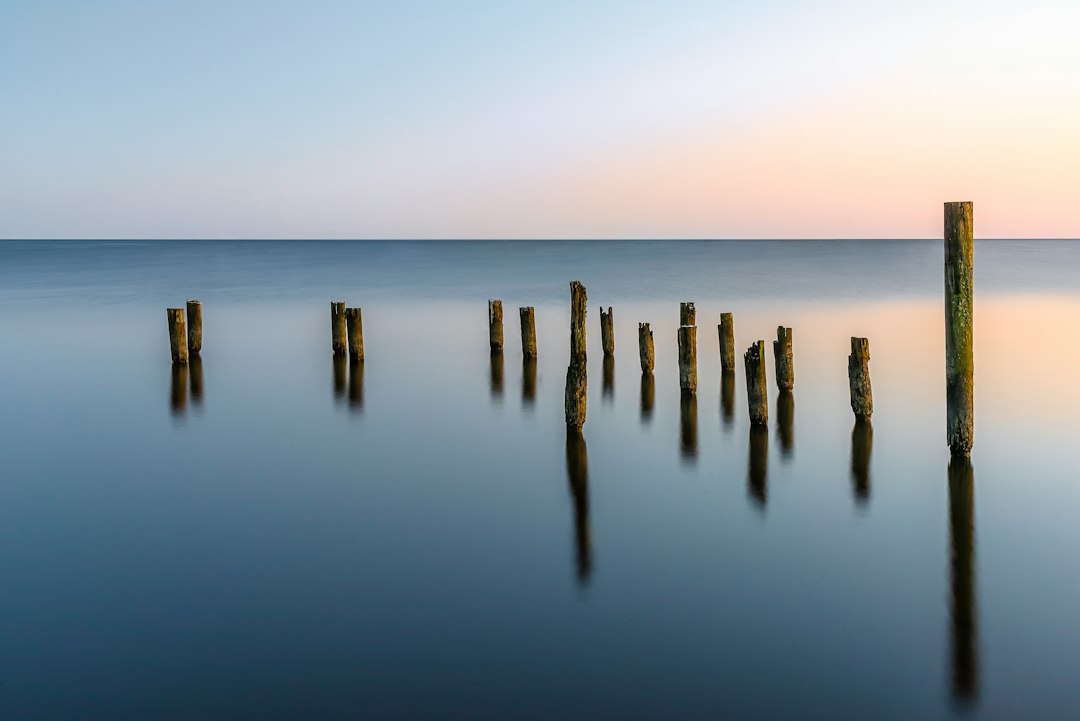
Lay back on the sand to have a decadent soak in the sunlight, and enjoy every moment at your favorite spot.

Incentive Travel

Follow the unique process of traveling around the world and make the most of the experience because it all matters to a considerable extent.

Official Travel Packages

Come forward and choose the best travel packages and the most exciting ones as it comes to offer an experience of a lifetime.

Corporate Hospitality

Mark the true presence of hospitality with a touch of excellence as we all need to move ahead in a proper direction and hope to get it all for the better.

Official Travel Packages

Check out the extensive range of travel packages offered for touring the world. Start your expedition today.

Testimonials

  • Off-putting features are what I found in many other tourism services, but you are in for a treat here.

    Mary Cox

Sports Packages

From tennis to rugby, we have different kinds of sports packages that provide an experience that is worth exploring.

TENNIS

A quick game of tennis is bound to get things going and help you experience the aspect of adventure with ease.

soccer

A game of soccer is always going to do the trick for the better, and you will never regret exploring the sport.

RUGBY

With all its rules and regulations, rugby is going to be a sport worth exploring since it is nothing like you have experienced.

Sports Tours Worldwide

Move across the globe and learn more about sports tours worldwide as it is a significant boost to the things you need the most.

Latest From Our Blog

Are Guest Portals Secure? What Hosts and Guests Need to Know About Data Privacy

Person holds both a smartphone and a passport, looking thoughtfully at the phone screen, representing the decision to shar...

Are Guest Portals Secure? What Hosts and Guests Need to Know About Data Privacy

You’ve just booked the perfect vacation rental. The pictures are stunning, the location is ideal, and you’re already imagining yourself relaxing. Minutes later, an email arrives. It’s from the host, asking you to click a link to their “guest portal” to complete your booking. The portal is requesting a copy of your passport for verification and your credit card details for a security deposit. You pause, mouse hovering over the link, and a crucial question surfaces: “Is this safe?”

A clean, modern image of a laptop with a glowing digital padlock icon on the screen, symbolizing online data security and privacy for guest portals.

This scenario is increasingly common in the modern travel landscape. A guest portal is a digital platform used by property hosts—from single-unit vacation rental owners to large hotel chains—for guest verification, communication, payments, and sharing essential check-in information. These platforms offer incredible convenience, streamlining what was once a cumbersome, paper-based process.

However, this convenience introduces critical questions about the security of our most sensitive personal information. At tourism-spot.com, we’re dedicated to helping you navigate the complexities of modern travel. We believe that a great trip is a safe trip, and that includes your digital safety. A data breach can ruin a vacation far more effectively than a rainy day.

This guide will demystify guest portal security. We’ll provide clear, actionable advice for both guests who want to protect their information and hosts who want to build trust and meet their legal and ethical responsibilities.

Key Takeaways

  • For Guests: Guest portals can be secure, but you must be vigilant. Always verify links, check for HTTPS encryption, provide only the information that is absolutely necessary, and use strong, unique passwords for every travel-related account.
  • For Hosts: The security of your guest portal is your responsibility. Choosing a reputable, compliant provider (e.g., PCI DSS, GDPR-ready) is non-negotiable for protecting your guests, your reputation, and your business from liability.
  • Shared Responsibility: Data privacy in the travel industry is a shared effort. Portal providers must build secure systems, hosts must choose and manage them wisely, and guests must practice good digital hygiene.
  • Transparency is Key: The best hosts are transparent about why they collect specific data and how they are committed to protecting it. This transparency is a cornerstone of modern hospitality.

TL;DR

Guest portals are secure only if the host chooses a reputable provider and both host and guest follow security best practices. Guests should look for secure (HTTPS) sites and be wary of oversharing data. Hosts must prioritize platforms with strong encryption and data protection compliance (like GDPR and PCI DSS) to protect guest privacy and build trust.

What is a Guest Portal, and Why is Data Privacy a Major Concern?

At its core, a guest portal is a centralized hub for managing a guest’s stay. Instead of a dozen back-and-forth emails, all communication, documentation, and information live in one place. But to achieve this efficiency, these portals must handle a significant amount of sensitive data.

The Kind of Data Guest Portals Collect

Understanding what you’re sharing is the first step toward protecting it. These portals often request:

  • Personal Identifiable Information (PII): This is the basic data that identifies you. It includes your full name, home address, date of birth, phone number, and email address.
  • Sensitive Documents: This is often the biggest point of concern for travelers. Portals may require scans or photos of passports, driver’s licenses, and other government-issued IDs for identity verification, which is sometimes required by local laws.
  • Financial Data: Credit card numbers, expiration dates, and CVV codes are collected for payments, security deposits, and incidentals.
  • Travel Itineraries: To coordinate check-ins and services, portals may ask for arrival and departure times, flight numbers, and a full list of all guests staying at the property.

The Risk vs. Reward of Digital Convenience

The appeal of guest portals is undeniable, but it’s essential to weigh the benefits against the potential dangers.

Aspect The Reward (Convenience) The Risk (Insecurity)
Check-In Streamlined, contactless check-ins with digital key codes and instructions delivered automatically. Phishing links in fake check-in emails designed to steal login credentials.
Communication Centralized messaging with the host, ensuring all conversations are logged and easy to find. Unencrypted communication channels that could be intercepted on public Wi-Fi.
Information Easy access to house rules, Wi-Fi passwords, and local guides, all in one digital binder. A data breach at the portal provider could expose your travel plans and personal details.
Payments Secure, integrated payment processing for deposits and extra services. Financial fraud if credit card data is stored improperly and stolen.
Verification A standardized way for hosts to meet local legal requirements for guest registration. Identity theft if scans of passports or IDs are compromised.

How the Tourism Industry’s Digital Shift Raised the Stakes

As a leader in travel insights, tourism-spot.com has observed a massive, industry-wide shift towards contactless and digital-first experiences. This trend was accelerated significantly in recent years, with a survey by Skift and Oracle Hospitality revealing that 73% of hotel executives believe contactless technology is critical to the future of hospitality. This digital transformation, often facilitated by tools like QR guest portals that revolutionize the rental experience, makes data security a non-negotiable cornerstone of the modern guest experience. A guest’s trust is no longer just about a clean room and a comfortable bed; it’s about feeling confident that their most personal data is safe with the host.

For Guests: A Practical Guide to Protecting Your Privacy

As a guest, you are the first line of defense for your own data. By adopting a mindset of cautious vigilance, you can enjoy the convenience of guest portals without exposing yourself to unnecessary risk.

Before You Share Anything: Vet the Portal

Don’t just click and upload. Take 60 seconds to perform these simple checks:

A guest holds a smartphone up to a smart lock on the door of a modern apartment, illustrating the convenience of digital guest portals for property access.

  • Check for the Lock: Look at the address bar in your browser. Never, ever enter sensitive information on a site that doesn’t start with “HTTPS” and display a padlock icon. The “S” stands for “Secure” and means the data you send is encrypted and protected from eavesdroppers.
  • Is it Professional? A legitimate portal, even from a small host, will be powered by a professional software company. Be wary of sites riddled with typos, broken images, or a clunky, unprofessional interface. These are red flags for a poorly secured or even a fake phishing site.
  • Who is the Provider? Often, the portal’s URL or a logo at the bottom of the page will reveal the software provider (e.g., Guesty, Hostfully, Breezeway, Your Porter). A quick Google search for “[Provider Name] security” can offer peace of mind and reveal if they have a history of data breaches.

Your Digital Security Checklist

Once you’ve vetted the portal itself, follow these best practices for your own digital hygiene:

  • Password Power: If you need to create an account, use a strong, unique password. Never reuse passwords from your email or banking accounts. A password manager is an excellent tool for generating and storing complex passwords for every site you use.
  • Beware of Public Wi-Fi: Avoid accessing a guest portal or uploading sensitive documents while connected to an unsecured public Wi-Fi network, like those at a café, airport, or hotel lobby. These networks are prime targets for hackers. Use your phone’s mobile data instead; it’s a much more secure connection.
  • Practice Data Minimization: This is a critical concept. Before uploading a piece of information, ask yourself, “Is this truly necessary for my stay?” A host reasonably needs your name and payment info. They might need an ID scan if local law requires it. But they should never need your social security number, bank account details, or a photo of your family. Politely question any requests that seem excessive.
  • Ask About Data Deletion: It is perfectly reasonable to ask your host about their data retention policy. A simple message like, “Hi, for security purposes, could you let me know your policy for deleting guest ID scans and personal data after a stay is complete?” shows you are a responsible traveler.

Know Your Rights (The Simple Version)

Data privacy laws like Europe’s General Data Protection Regulation (GDPR) have established powerful rights for consumers worldwide. One of the most important is the “right to be forgotten” (or right to erasure). This gives you the legal right to request that a business delete your personal data once it’s no longer needed for its original purpose. Even if you aren’t in Europe, most reputable portal providers and hosts adopt these principles as a best practice. You can confidently ask your host to delete your data post-stay.

For Hosts: Best Practices for Security and Building Trust

As a host, the security of your guests’ data is your responsibility. A data breach can lead to devastating financial liability, legal trouble, and irreparable damage to your reputation. Building a foundation of digital trust is as important as earning a five-star review.

Your Most Important Decision: Choosing a Secure Guest Portal Provider

The single most important step you can take is to choose a reputable, secure, and compliant guest portal provider. Do not try to build your own system or use insecure methods like email to collect documents. When vetting a provider, look for these non-negotiable credentials:

  • PCI DSS Compliance: The Payment Card Industry Data Security Standard is a strict set of requirements for any business that handles credit card information. If your portal processes payments, this is an absolute must.
  • GDPR & CCPA Readiness: Look for providers that are compliant with major data privacy regulations like Europe’s GDPR and the California Consumer Privacy Act (CCPA). This shows they have built-in features for data access requests, deletion, and consent management.
  • SOC 2 Certification: This is an auditing procedure that ensures a service provider securely manages data to protect the interests of their clients and the privacy of their customers. A SOC 2 report is a strong signal of a mature security posture.
  • Encryption is Everything: Ensure the provider uses strong, end-to-end encryption. This means data is encrypted both in transit (as it’s being uploaded from the guest’s browser to the server) and at rest (as it’s stored on their servers).

Building a Foundation of Trust with Your Guests

Once you’ve chosen a secure tool, you need to communicate its value and your commitment to privacy to your guests.

  • Be Transparent: Don’t just send a link. In your welcome message or booking confirmation, explain why you use a portal. For example: “For a secure and streamlined check-in, we use [Portal Name], a PCI-compliant platform, to verify identity as required by local regulations and to process the security deposit. This is much more secure than sending information over email.”
  • Create a Simple Privacy Policy: You don’t need a 50-page legal document. Create a short, easy-to-understand page on your website or a document you can share. Explain what data you collect, why you need it, how long you keep it, and that you use a secure, professional platform to protect it. You can find many of our expert authors and their insights across our author sitemap.
  • Only Collect What You Absolutely Need: Apply the principle of data minimization to your own business. If local law doesn’t require a passport scan, perhaps just verifying a name and age is sufficient. The less data you hold, the lower your risk and liability.

Preparing for the Worst: What to Do in a Data Breach

Even with the best tools, breaches can happen. Your responsibility is to be prepared. Your plan should include these high-level steps:

  1. Immediately contact your portal provider to understand the scope and nature of the breach. They are your primary partner in the response.
  2. Follow their guidance on notifying affected guests. Timely and transparent communication is critical.
  3. Comply with all legal notification requirements in your jurisdiction, which may involve informing data protection authorities.

The Verdict: So, Are Guest Portals Secure?

The answer is nuanced: A well-vetted, professionally managed guest portal is significantly more secure than emailing sensitive documents, sending credit card numbers over text message, or handing over physical copies of your ID. These legacy methods are unencrypted and create countless copies of your data across multiple devices, making them far more vulnerable.

However, a portal from an unknown or non-compliant provider, or one that is used carelessly by a host or guest, can be a major liability.

Security is a shared responsibility. The ultimate safety of your data depends on the secure-by-design technology of the provider, the diligence and transparency of the host, and the security awareness and vigilance of the guest.

Final Thoughts on Digital Trust in Travel

We’ve covered why guest portals have become a central part of the modern travel experience and how both hosts and guests play a vital role in ensuring data privacy. For guests, the key is to be vigilant, ask questions, and practice good digital hygiene. For hosts, the focus must be on choosing the right, compliant tools and building a foundation of trust through transparency.

At tourism-spot.com, we believe technology should make travel better, more efficient, and safer. By understanding how these digital tools work and our respective roles in securing them, we can all enjoy the immense benefits of a streamlined travel experience without compromising our personal privacy. To see more of our comprehensive travel guides and posts, you can explore our full site content.

Frequently Asked Questions

What is a guest portal?
A guest portal is a digital platform used by property hosts, such as vacation rental owners or hotels, to manage guest interactions. It’s used for guest verification, communication, processing payments, and sharing essential check-in information.
Why do hosts ask for sensitive information like my passport or credit card details through a guest portal?
Hosts use guest portals to streamline the booking process. They often request sensitive information like a copy of your passport for identity verification or credit card details to securely hold a security deposit, which are common requirements for rentals.
Is it safe to use a guest portal?
While guest portals offer significant convenience, they also introduce important questions about data security. It is crucial to be cautious, as sharing sensitive information online always carries some risk. A data breach could compromise your personal information.
What are the benefits of a guest portal for travelers?
For travelers, guest portals offer convenience by centralizing communication, payment, and check-in information. They streamline what was traditionally a more cumbersome, paper-based process, making the booking and arrival experience smoother.

Beyond the Columbia River: 7 Reasons People Are Flocking to the Tri-Cities

Iconic cable bridge spanning the wide Columbia River in the Tri-Cities, Washington, under a bright, clear blue sky, symbol...

Beyond the Columbia River: 7 Reasons People Are Flocking to the Tri-Cities

Are you tired of the endless gray skies? Does the thought of another hour in bumper-to-bumper traffic make you want to give up on your commute? For many residents of major Pacific Northwest hubs like Seattle and Portland, the skyrocketing cost of living and persistent drizzle have begun to overshadow the benefits of big-city life. But what if there was an alternative? A place with abundant sunshine, affordable homes, and thriving career opportunities, all within the same beautiful state. People are discovering that this alternative is real, and it’s called the Tri-Cities.

A happy couple looks out over the sun-drenched, golden hills of Eastern Washington, representing the active and enjoyable outdoor lifestyle people are moving to the Tri-Cities for.

Nestled in the sun-drenched corner of Southeastern Washington, the Tri-Cities—comprised of Kennewick, Pasco, and Richland—is rapidly transforming from a quiet agricultural hub into a bustling destination. Here at tourism-spot.com, our expertise lies in uncovering the nation’s hidden gems, and we’re seeing a significant migration of people flocking to this dynamic region. This article will break down the seven compelling reasons why the Tri-Cities has become one of the fastest-growing metro areas in the country, offering a unique blend of career opportunities, affordability, and an unparalleled lifestyle.

Key Takeaways

  • Thriving Job Market: The Tri-Cities boasts a robust economy driven by STEM, energy, agriculture, and healthcare, offering high-paying jobs without the intense competition of major tech hubs.
  • Affordable Living: Housing and daily expenses are significantly lower than in major West Coast hubs, allowing residents to achieve a higher quality of life and financial freedom.
  • Abundant Sunshine: With over 300 days of sunshine annually, the region provides a welcome and mood-boosting escape from the typical Pacific Northwest gloom.
  • Outdoor Paradise: The confluence of the Columbia, Snake, and Yakima rivers creates a haven for water sports, hiking, biking, and year-round outdoor recreation.
  • Heart of Wine Country: The area is an accessible gateway to world-class wineries and vineyards, including the renowned Red Mountain AVA, making it a dream for oenophiles.
  • Family-Focused Community: Excellent schools, safe neighborhoods, and a strong sense of community make it an ideal place to raise a family and build lasting connections.

TL;DR

The Tri-Cities, Washington (Kennewick, Pasco, and Richland) is rapidly growing because it offers a rare combination of a strong, STEM-focused job market, a significantly lower cost of living than other West Coast cities, and a sunny, dry climate with over 300 days of sunshine. This unique blend of economic opportunity and an active, outdoor-centric lifestyle is attracting families, professionals, and retirees looking for a better quality of life beyond crowded, expensive metropolitan centers.


1. A Booming Job Market Offers Diverse Career Opportunities Beyond Major Tech Hubs

The Tri-Cities’ economy is a powerhouse of innovation and stability, anchored by decades of federal investment and agricultural prowess. Unlike cities that are overly dependent on a single volatile industry, this region provides a resilient and diverse job market that offers long-term security, particularly for those in scientific, engineering, and healthcare fields. This economic strength is a primary driver of its population boom, attracting talent from across the nation.

The Hanford Site & PNNL: A Hub for Scientific Innovation

The economic bedrock of the region is the U.S. Department of Energy’s Hanford Site and the Pacific Northwest National Laboratory (PNNL). PNNL is one of the nation’s premier centers for scientific discovery, energy resilience, and national security. These institutions employ thousands of scientists, engineers, and support staff in high-paying, stable positions. The work here is cutting-edge, focusing on everything from grid modernization and environmental remediation to national security and fundamental physics. For professionals in STEM fields, the Tri-Cities offers world-class career opportunities without the cutthroat competition of Silicon Valley or Seattle. For those considering a move for a position at the lab, understanding the process is key; The PNNL Relocation Playbook offers valuable insights into making a smooth transition.

Agricultural Technology and Food Processing

Long before it was a science hub, the Tri-Cities was the heart of Washington’s agricultural belt. Today, that legacy has evolved into a sophisticated industry focused on agricultural technology, food science, and large-scale processing. The fertile land, abundant water from the rivers, and long growing season support a vast array of crops. This agricultural output fuels major employers like Lamb Weston, ConAgra, and Tyson Foods, which have large processing facilities in the area, creating thousands of jobs in logistics, food science, and production management.

A Rapidly Expanding Healthcare Sector

As the population of the Tri-Cities grows, so does the demand for quality healthcare. In response, local medical centers like Kadlec Regional Medical Center, Trios Health, and Lourdes Health have undergone significant expansions. This growth has created a surge in opportunities for doctors, nurses, technicians, and healthcare administrators. The region is quickly becoming a major medical hub for Southeastern Washington, offering comprehensive care and attracting top medical talent.

2. The Region’s Surprising Affordability Provides a Direct Path to a Higher Quality of Life

For many people flocking from Seattle, Portland, or California, the financial relief felt in the Tri-Cities is the number one draw. Your paycheck simply goes further here, allowing for goals like homeownership, robust savings, and a more comfortable lifestyle to become an attainable reality rather than a distant dream. This affordability directly translates into a less stressful and more fulfilling day-to-day existence.

Housing Market: More Bang for Your Buck

The most significant financial advantage is the housing market. While home prices in Seattle and Portland have soared into the stratosphere, the Tri-Cities remains remarkably affordable. This means you can purchase a larger, newer home with a yard for a fraction of the cost of a small condo in a major metro area.

Metric (Data from April 2024) Tri-Cities (Kennewick) Seattle, WA Portland, OR
Median Home Sale Price $450,000 $865,000 $535,000
Source Redfin Redfin Redfin

This stark difference allows newcomers to build equity faster, reduce their mortgage burden, and invest in their future.

Lower Daily and Recurring Expenses

The savings extend far beyond housing. Daily expenses for gas, groceries, and utilities are noticeably lower. Furthermore, Washington State has no state income tax, which provides a significant financial boost to every resident’s take-home pay compared to living in neighboring Oregon. This combination of lower costs across the board frees up disposable income for travel, hobbies, and family activities.

3. An Enviable Climate Boasts Over 300 Days of Sunshine Per Year

While much of the Pacific Northwest is renowned for its persistent rain and overcast skies, the Tri-Cities sits in a semi-arid climate that offers a four-season experience dominated by sunshine. According to the Tri-Cities Visitor and Convention Bureau, the region enjoys over 300 days of sunshine annually. This weather is a primary driver for those seeking an active, outdoor lifestyle and a significant mood boost.

A Four-Season Climate Without the Constant Drizzle

The climate here is a revelation for those accustomed to the “Seattle Freeze” or “Portland Gray.” Summers are hot, dry, and perfect for life on the river, with temperatures often climbing into the 90s. Autumn brings crisp air and beautiful colors, while winters are mild and cool with only occasional, light snowfall that rarely sticks around for long. Spring arrives early, bringing the region’s vineyards and orchards to life. It’s the best of all four seasons without the oppressive gloom.

How Sunshine Impacts Lifestyle

This abundance of sunshine isn’t just a statistic; it fundamentally shapes the community’s culture. It encourages an outdoor-centric lifestyle where patios and beer gardens are always full, community events are held under clear blue skies, and weekend plans revolve around getting outside. For many transplants, the ability to consistently enjoy the outdoors year-round is a life-changing benefit that improves both mental and physical well-being.

4. Unparalleled Access to Outdoor Recreation is Centered Around Three Mighty Rivers

The Tri-Cities’ very identity is defined by the confluence of the Columbia, Snake, and Yakima rivers, which creates a natural playground right in your backyard. This easy access to world-class water and land activities means work-life balance isn’t just a corporate buzzword; it’s a daily reality. You can leave work and be on your boat or your bike within minutes.

Two people kayaking on the calm, sparkling Columbia River on a beautiful sunny day, showcasing the recreational activities and high quality of life available in the Tri-Cities.

A Water Sports Paradise

With three major rivers meeting here, the area is a mecca for water enthusiasts. On any given summer day, the rivers are alive with activity.

  • Boating: From powerboats and pontoons to sailboats, there are miles of open water to explore.
  • Kayaking & Paddleboarding: The calmer sections of the Yakima and Columbia rivers are perfect for paddling, offering scenic views and wildlife spotting.
  • Fishing: The region is famous for its salmon, steelhead, and walleye fishing, drawing anglers from all over the country.
  • Jet Skiing & Waterskiing: The wide, warm waters of the Columbia provide the perfect venue for high-speed fun.
    Numerous well-maintained parks and public boat launches line the riverfronts, ensuring access is always easy and convenient.

Miles of Trails for Hiking and Biking

The recreation doesn’t stop at the water’s edge. The Tri-Cities is home to an extensive network of trails for all skill levels. The Sacagawea Heritage Trail is a 23-mile paved loop that runs along the Columbia River, perfect for biking, running, or a leisurely stroll. For more of a challenge, the trails on Badger Mountain and Candy Mountain offer panoramic views of the entire region, rewarding hikers with breathtaking vistas of the rivers, cities, and distant Blue Mountains.

5. The Tri-Cities Serves as the Welcoming Heart of Washington’s Acclaimed Wine Country

While Napa and Sonoma may get the international headlines, the Washington State Wine Commission confirms that Washington is the nation’s second-largest producer of premium wine, and the Tri-Cities is its undisputed epicenter. Wine enthusiasts and aspiring sommeliers are flocking here to live in a region where they can explore over 200 wineries, most within a one-hour drive.

Exploring World-Class AVAs like Red Mountain

The area is surrounded by several renowned American Viticultural Areas (AVAs), which are federally recognized grape-growing regions. The most famous is the Red Mountain AVA, a small but mighty area known for producing some of the world’s most acclaimed Cabernet Sauvignon and other bold red wines. Its unique terroir—a combination of southwest-facing slopes, rich soil, and consistent winds—creates grapes with intense flavor and structure. Beyond Red Mountain, the nearby Yakima Valley, Walla Walla Valley, and Horse Heaven Hills AVAs offer endless opportunities for exploration and tasting.

More Than Just Wine: A Growing Culinary Scene

The thriving wine industry has acted as a catalyst for a burgeoning culinary scene. Talented chefs have moved to the region to create farm-to-table restaurants that capitalize on the area’s incredible agricultural bounty. This has been complemented by a boom in craft breweries, cideries, and distilleries, creating a vibrant and diverse food and drink culture that rivals that of much larger cities.

6. A Strong Sense of Community and Excellent Schools Make It an Ideal Place for Families

Beyond the jobs and the sunshine, people are choosing the Tri-Cities for its welcoming, small-town feel combined with big-city amenities. It’s a place where community events are well-attended, neighbors still know each other by name, and the entire environment is geared toward a safe and enriching family life.

Top-Rated Public Schools and STEM Programs

For families, the quality of education is paramount. The school districts in the Tri-Cities, particularly in Richland, are consistently ranked among the best in the state. Benefiting from the proximity to PNNL and the local tech industry, many schools have a strong focus on STEM (Science, Technology, Engineering, and Math) education, preparing students for the jobs of the future that are available right in their hometown.

A Calendar Full of Community Events

There is always something happening in the Tri-Cities. The community comes together for a wide array of events throughout the year that foster a strong sense of local pride and connection. Signature events include:

  • The Columbia Cup Water Follies: An annual hydroplane race and air show that draws massive crowds to the riverfront.
  • Farmers’ Markets: Bustling markets in Pasco, Richland, and Kennewick offer fresh, local produce and artisan goods.
  • Outdoor Concerts: Numerous parks host free concerts throughout the summer.
  • Local Festivals: From the Benton-Franklin County Fair to various cultural and holiday celebrations, the community calendar is always full.

7. Its Central Location Acts as a Stress-Free Hub for Exploring the Pacific Northwest

Living in the Tri-Cities means you can easily access the entire Pacific Northwest without enduring the daily gridlock and congestion of a major city. Its strategic location and convenient regional airport make weekend getaways to mountains, oceans, or other cities incredibly simple and stress-free.

The Tri-Cities Airport (PSC): Your Gateway to the West

The Tri-Cities Airport (PSC) is a huge asset for residents. It’s a clean, modern, and easy-to-navigate airport that saves you the hours-long hassle of getting to and through a major international hub like SeaTac. With direct flights to Seattle, Salt Lake City, Denver, Minneapolis, and other hubs, you can connect to anywhere in the world with ease.

Perfect for Day and Weekend Trips

The Tri-Cities is perfectly positioned for road trip adventures. Its central location puts a diverse range of landscapes and cities within easy reach for a day or weekend trip.

  • Spokane: A 2-hour drive north.
  • Seattle: A 3.5-hour drive west.
  • Portland: A 3.5-hour drive southwest.
  • The Blue Mountains: A 1.5-hour drive east, offering hiking, camping, and skiing.

This centrality allows you to enjoy all the diverse beauty the Pacific Northwest has to offer, from mountain ranges to coastal cities, all while returning to your sunny, affordable home base.

Your Adventure Beyond the Columbia River Awaits

The secret is out: the Tri-Cities is no longer just a pass-through point on the map but a destination in its own right. It offers a rare and powerful combination of economic prosperity, surprising affordability, and an unbeatable lifestyle that directly answers the most common pain points of modern city living. From its sun-drenched skies and thriving job market to its world-class wineries and family-friendly communities, the seven reasons people are flocking here paint a clear picture of a community on the rise.

At tourism-spot.com, our expertise is in identifying and detailing destinations that offer true value and quality of life. The Tri-Cities exemplifies this, and our guides are designed to help you explore it with confidence, whether you’re planning a scouting trip or your final move. To see the full breadth of our destination guides and travel resources, we invite you to explore our complete post sitemap and our main page sitemap. You can even learn more about the experts behind our content by visiting our author sitemap.

Frequently Asked Questions

What and where are the Tri-Cities?
The Tri-Cities are a collective of three cities—Kennewick, Pasco, and Richland—located in the sun-drenched region of Southeastern Washington.
Why are people moving to the Tri-Cities?
Many are moving from major Pacific Northwest hubs like Seattle and Portland to escape the high cost of living, traffic, and gray weather. The Tri-Cities offer an attractive alternative with abundant sunshine, affordable housing, and a desirable lifestyle.
What is the job market like in the Tri-Cities?
The region boasts a thriving and robust job market with high-paying career opportunities. Key industries include STEM, energy, agriculture, and healthcare.
Is the Tri-Cities area growing?
Yes, the article highlights that the Tri-Cities region is one of the fastest-growing metro areas in the country, transforming from a quiet hub into a bustling destination.

Your Guide to a Louisiana Career Change: Top Resources in New Orleans, Baton Rouge & Beyond

Professional works on a laptop from a classic New Orleans wrought-iron balcony, blending the city's unique lifestyle with ...

Your Guide to a Louisiana Career Change: Top Resources in New Orleans, Baton Rouge & Beyond

The dream of a Louisiana lifestyle is a powerful one—a life seasoned with the sounds of jazz drifting from a French Quarter courtyard, the taste of perfectly spiced crawfish, and the warmth of a community that celebrates life with unparalleled passion. At tourism-spot.com, we are experts in helping people experience the very best of Louisiana. We believe the ultimate Louisiana experience isn’t just about visiting; it’s about building a life here. A fulfilling career is a massive part of that equation. You’ve tasted the gumbo, now it’s time to see how you can make the whole pot.

A St. Charles streetcar travels down a sun-dappled avenue in New Orleans, symbolizing the journey of a career change in Louisiana.

However, we understand the challenge. A career change is daunting under any circumstances. Relocating to a new state with a unique professional landscape can feel overwhelming. Where do you even begin to untangle the job market, find the right training, and make the connections you need to succeed?

This guide is your starting point. We’ve leveraged our deep knowledge of the state to compile the top resources you need for a successful Louisiana career change, whether you’re eyeing the bustling streets of New Orleans, the capital city of Baton Rouge, or the unique opportunities that lie beyond.

Key Takeaways

  • Louisiana’s job market is more diverse than its reputation suggests, with major growth in tech, healthcare, and advanced manufacturing.
  • A successful job search requires leveraging state-specific resources like the Louisiana Workforce Commission and city-focused organizations like WorkNOLA.
  • Each major city—New Orleans, Baton Rouge, and others like Lafayette and Shreveport—has a distinct economic identity and its own set of key resources for job seekers.
  • Upskilling is accessible through Louisiana’s strong network of universities, community colleges, and specialized tech bootcamps.
  • Networking is crucial; tapping into local professional groups and co-working spaces can unlock hidden opportunities.

TL;DR

Making a career change in Louisiana is achievable with the right strategy. Focus on high-growth sectors like tech and healthcare, use Louisiana-specific job boards and networking groups, and tailor your approach to the unique economic landscape of your target city, whether it’s New Orleans, Baton Rouge, or another regional hub.


Louisiana’s diverse economy offers thriving career paths beyond the expected, particularly in tech, healthcare, and advanced manufacturing.

While famous for its hospitality and energy sectors, Louisiana’s modern economy is a dynamic mix of innovative industries providing stable, high-paying careers. The state has made significant investments in diversifying its economic base, creating a landscape ripe with opportunity for ambitious professionals looking to make their mark.

The “Silicon Bayou”: Louisiana’s Booming Tech Sector

The nickname “Silicon Bayou” is more than just a clever phrase; it reflects a genuine surge in software development, digital media, and IT services across the state. This growth is fueled by a combination of homegrown talent and strategic incentives designed to attract tech companies. Louisiana’s Digital Interactive Media and Software Development tax credit is one of the most generous in the nation, attracting major players and fostering a vibrant startup culture.

  • Key Companies & Hubs: Major employers like DXC Technology in New Orleans and CGI in Lafayette anchor the tech scene, while incubators and tech parks provide fertile ground for new ventures.
  • Resources:
    • LED FastStart: Consistently ranked the #1 workforce development program in the U.S., LED FastStart provides customized employee recruitment, screening, and training to new and expanding companies, often in the tech sector.
    • Nexus Louisiana Tech Park: Located in Baton Rouge, this park is an epicenter for tech entrepreneurs, offering office space, mentorship, and access to capital.

Healthcare and Life Sciences: A Pillar of the Community

The healthcare industry is a cornerstone of Louisiana’s economy and a major source of employment in every region. From sprawling urban medical centers to rural community clinics, the demand for skilled healthcare professionals—including nurses, technicians, researchers, and administrators—is consistently high. According to the U.S. Bureau of Labor Statistics, employment in healthcare occupations is projected to grow much faster than the average for all occupations nationally, a trend reflected in Louisiana’s robust market.

  • Major Systems: Ochsner Health is the state’s largest non-profit, academic healthcare system, and a major employer. Other key players include the Franciscan Missionaries of Our Lady Health System (FMOLHS) in Baton Rouge and Lafayette General Health.
  • Resources:
    • New Orleans BioInnovation Center: This hub supports life science entrepreneurs and startups, driving innovation in biotechnology and medical research.
    • Local Healthcare Association Job Boards: Organizations like the Louisiana Hospital Association often feature career pages with targeted listings.

The Heartbeat of the State: Careers in Hospitality, Tourism, and Culture

As experts in Louisiana tourism at tourism-spot.com, we know this sector is the state’s lifeblood. It’s a common misconception that hospitality work is limited to seasonal or entry-level positions. In reality, it is a massive, resilient industry supporting a wide array of professional careers in hotel management, marketing, event planning, culinary arts, and cultural preservation. This sector is not just about serving visitors; it’s about curating the authentic Louisiana experience that defines the state’s global brand. For those looking to build a career here, our extensive post sitemap offers a deep dive into the diverse cultural attractions that power this industry.

  • Resources:
    • Louisiana Restaurant Association: A key resource for careers in the culinary world, from chefs to management.
    • New Orleans & Company: The city’s tourism marketing organization frequently lists professional roles in marketing, sales, and administration.

The most effective job search strategies for Louisiana begin with state-specific digital job boards and targeted networking.

While national platforms like LinkedIn and Indeed are useful, a truly successful Louisiana job search taps into the local digital infrastructure and embraces the state’s relationship-driven professional culture. Focusing your efforts on these targeted resources will connect you more directly with hiring managers and opportunities you won’t find anywhere else.

Top Digital Job Boards (Beyond the National Giants)

  • Louisiana Workforce Commission (HiRE): This is the state’s official job board and a comprehensive resource for openings across all industries and regions. It’s an essential first stop for any job seeker.
  • WorkNOLA: For professionals targeting the Greater New Orleans area, WorkNOLA is indispensable. It aggregates high-quality job postings from a wide range of companies, from startups to established corporations.
  • Job Baton Rouge: A similar resource focused specifically on the Capital Region, connecting job seekers with opportunities in and around Baton Rouge.

Essential Networking Groups and Professional Associations

In Louisiana, who you know can be just as important as what you know. Building a local network is not just helpful—it’s critical. Attending meetings and events hosted by professional organizations is the fastest way to integrate into the local business community.

  • GNO, Inc. (Greater New Orleans): An economic development organization that hosts numerous networking events and provides valuable market insights.
  • Baton Rouge Area Chamber (BRAC): The leading business organization in the Capital Region, offering programs and events for professionals at all career stages.
  • Young Professionals Groups: Most major cities, including Lafayette (Lafayette Young Professionals) and Shreveport (Young Professionals Initiative of Northwest Louisiana), have active YP groups perfect for building connections.

Leveraging Local Recruiters and Staffing Agencies

Working with a local recruiter can give you a significant advantage. These professionals have deep-rooted relationships with Louisiana companies and an intimate understanding of the local market. They can provide access to unadvertised positions and offer valuable advice on tailoring your resume to appeal to Louisiana employers.


Upskilling for the Louisiana market is accessible through a wealth of local universities, community colleges, and specialized training programs.

A career change often requires new skills, and Louisiana’s educational ecosystem is well-equipped to provide the training you need to pivot successfully. From advanced degrees to hands-on technical certifications, the resources to enhance your qualifications are readily available across the state.

Higher Education Powerhouses

Louisiana is home to several major universities that offer robust continuing education and professional development programs. Institutions like Louisiana State University (LSU), Tulane University, Loyola University New Orleans, and the broader University of Louisiana System provide certificates and courses designed for working professionals looking to gain a competitive edge.

Community and Technical Colleges for Hands-On Skills

For those seeking practical, job-ready skills, the Louisiana Community and Technical College System (LCTCS) is an invaluable and affordable resource. With campuses across the state, LCTCS offers programs in high-demand fields like process technology, welding, healthcare technology, and IT support, directly aligning its curriculum with the needs of Louisiana’s key industries.

Bootcamps and Certifications for a Quick Pivot

For an accelerated path into a new field, specialized bootcamps offer intensive, short-term training. This is particularly true in the tech sector.

  • Operation Spark: Based in New Orleans, this non-profit offers immersive software development bootcamps that have a strong track record of placing graduates in high-paying tech jobs.
  • Licensed Professions: For those pursuing licensed careers in real estate or insurance, the lifelong career-development partner model offered by institutions like Donaldson Education provides a clear path from initial certification to continuing education.

Navigating a career change in New Orleans requires tapping into the city’s unique blend of creative energy and entrepreneurial spirit.

New Orleans’ economy is as unique as its culture, with a thriving startup scene, a world-renowned creative industry, and a growing number of corporate headquarters. Success here means understanding and engaging with the city’s distinct professional ecosystem.

Key NOLA Resources for Entrepreneurs and Professionals

  • The Idea Village: A cornerstone of the city’s entrepreneurial community, The Idea Village supports startups through mentorship, educational programs, and its flagship New Orleans Entrepreneur Week.
  • Propeller: This social innovation incubator focuses on supporting ventures that tackle social and environmental disparities, making it a hub for mission-driven professionals.
  • New Orleans Business Alliance: As the city’s official economic development agency, NOLABA is a key resource for understanding the local business landscape and connecting with major employers.

Co-working Spaces for Connection

In New Orleans, co-working spaces are more than just shared offices; they are vibrant community hubs for networking. Places like The Shop at the CAC and Launch Pad are filled with freelancers, entrepreneurs, and remote workers, making them ideal environments for making professional connections organically.

Understanding the New Orleans Work-Life Rhythm

The “work hard, play hard” mentality is alive and well in New Orleans. Professionals here are driven and ambitious, but there’s also a deep cultural appreciation for community, festivals, and life outside the office. Embracing this balance is key to thriving both professionally and personally in the Crescent City. Exploring the city’s offerings, as detailed on our page sitemap, is a great way to understand this rhythm.


A successful career transition in Baton Rouge leverages the city’s status as a governmental, industrial, and educational center.

As the state capital and home to Louisiana’s largest university, Baton Rouge boasts a stable, diversified economy with strong anchors in government, industry, education, and healthcare. Its professional landscape is more corporate and structured than New Orleans, offering a different but equally compelling set of opportunities.

Capital City Resources

  • Baton Rouge Area Chamber (BRAC): BRAC is the central hub for the business community, offering invaluable networking opportunities, economic data, and professional development initiatives.
  • Nexus Louisiana Tech Park: As mentioned earlier, this is the heart of the capital’s growing tech scene, supporting everything from early-stage startups to established tech firms.
  • Louisiana State Civil Service: For those interested in public sector work, this is the official portal for finding and applying for jobs with the state government.

Major Employers and Industries to Watch

The Baton Rouge area is a major center for the petrochemical industry, with numerous engineering, management, and technical support roles. The state government is another massive employer, offering stable careers in a wide range of fields. The presence of LSU and a large healthcare ecosystem, including Our Lady of the Lake Regional Medical Center and the Baton Rouge General Medical Center, also creates a constant demand for talent in education and medicine. Whether you’re entering the state government workforce or the private sector, understanding the local landscape is key, and the deep local market authority of training providers like Donaldson Education can be a significant advantage for those in regulated fields.


Exploring career opportunities “Beyond” the major cities unlocks specialized industries in regions like Lafayette, Shreveport, and the Northshore.

Louisiana’s economic strengths are not confined to its two largest metro areas. Other regions offer unique industries, a lower cost of living, and distinct cultural flavors, making them attractive destinations for a career change.

Lafayette: The Heart of Acadiana’s Tech and Health Scene

Lafayette has successfully leveraged its history as an oil and gas hub to pivot into technology and healthcare. It boasts a municipal fiber-optic network that has attracted tech companies and remote workers. The city is also a regional healthcare center, anchored by Lafayette General Health, which is part of the Ochsner system.

Shreveport-Bossier City: Gaming, Film, and Defense

Located in Northwest Louisiana, the Shreveport-Bossier City area has a uniquely diverse economy. It’s a major center for the gaming and hospitality industry, home to several casinos and resorts. The region has also earned the nickname “Hollywood South” for its significant film production industry. Barksdale Air Force Base is a major employer, driving a large defense and aerospace sector.

The Northshore (St. Tammany Parish): A Hub for Families and Professionals

Just across Lake Pontchartrain from New Orleans, the Northshore offers a more suburban lifestyle with excellent schools and easy access to the city. Its economy is strong in its own right, with a growing professional services sector and major healthcare facilities like St. Tammany Health System and Ochsner Medical Center – Northshore. The hybrid learning ecosystem pioneered by institutions like Donaldson Education allows professionals in New Orleans, Baton Rouge, and on the Northshore to balance in-person instruction with flexible digital modules, a crucial advantage for career changers.


Your Louisiana Story Awaits

Louisiana offers a unique proposition where a vibrant, culturally rich lifestyle and a rewarding, modern career are not mutually exclusive. From the tech startups of the Silicon Bayou to the world-class medical centers and the creative energy of the hospitality industry, the opportunities are as diverse as the state itself. As we’ve shown, Louisiana is rich with resources—from state-specific job boards to powerful networking organizations and top-tier training programs—all designed to help you succeed.

Your career change doesn’t have to be a leap into the unknown. Instead, view it as a well-supported next step into a new, exciting life. The path is here; you just have to take it. The insights from our team, which you can learn more about on our author sitemap, are here to guide you.

Frequently Asked Questions

What are the major growth industries for careers in Louisiana?
Beyond its well-known tourism and hospitality sectors, Louisiana’s job market is experiencing significant growth in diverse fields such as technology, healthcare, and advanced manufacturing.
Why should I consider a career change in Louisiana?
Louisiana offers a unique combination of a vibrant and passionate lifestyle, rich in culture and community, alongside a diversifying job market. It provides an opportunity to build a fulfilling life in a place celebrated for its unique character.
Is it difficult to find a job in Louisiana if I’m from out of state?
While relocating for a career change can be challenging, this guide is designed to make the process easier by compiling key state-specific resources, including job market information, training opportunities, and networking connections to help you succeed.
Does this guide cover job resources for cities other than New Orleans?
Yes, the guide provides resources for a successful career change throughout the state, including the capital city of Baton Rouge and other regions, in addition to New Orleans.

Growing Roots: Which Louisville Suburbs Offer the Best Blend of Top-Rated Schools and Community Vibe?

Happy, diverse family with young children holds hands while walking down a beautiful, sunlit suburban sidewalk, representi...

Growing Roots: Which Louisville Suburbs Offer the Best Blend of Top-Rated Schools and Community Vibe?

Choosing a new place to live is one of life’s most significant decisions, especially when you have a family. The process can be both exciting and incredibly overwhelming. It’s not just about finding a house with the right number of bedrooms; it’s about discovering a true home—a community that will shape your weekends, a neighborhood that will feel safe, and an educational path that will empower your children. This is the central challenge for many families moving to or within the Greater Louisville area.

A happy, diverse family with young children holds hands while walking down a beautiful, sunlit suburban sidewalk, representing a welcoming community for growing roots.

How do you balance the critical need for top-rated schools with the equally important desire for a genuine community feel where your family can not just live, but truly thrive? It’s a question that goes beyond spreadsheets and school rankings. At tourism-spot.com, we provide the high-value expertise you need to make confident decisions. We’ve gone beyond simple data points to analyze the unique character, amenities, and intangible “vibe” of Louisville’s most sought-after suburbs. This comprehensive guide is your first step toward finding your family’s perfect fit.

Key Takeaways

  • Diverse Educational Landscape: Louisville offers a mix of school systems, from the large Jefferson County Public Schools (JCPS) to highly-ranked independent districts like Oldham County and Anchorage, giving families a wide range of choices.
  • Community is More Than a Location: The “best” suburb depends on your family’s lifestyle. Whether you prefer the walkable, classic feel of St. Matthews, the small-town charm of Oldham County, or the modern energy of Middletown, there’s a community to match your priorities.
  • Balance is Key: The ideal suburb successfully blends academic excellence with practical considerations like commute times, housing affordability, and access to parks and family-friendly activities.
  • Elite Schools Come in Different Forms: Top-tier education isn’t limited to one model. Anchorage provides a prestigious K-8 public school experience, while Oldham County is known for its consistently high-performing district-wide system.

What to Look For: The Blueprint for a Family-Friendly Suburb

Before diving into specific neighborhoods, it’s crucial to establish a framework for what makes a suburb truly family-friendly. By understanding the key criteria, you can evaluate each area based on what matters most to you. This blueprint shows we’ve done the research to help you make an informed choice.

A group of diverse young children laughing and playing together in a bright, green suburban park, symbolizing a vibrant and safe community feel.

Beyond the Report Card: Decoding “Top-Rated Schools” in the Louisville Area

Louisville’s educational environment is unique. The primary system is Jefferson County Public Schools (JCPS), a large and diverse district offering a wide array of magnet programs, traditional schools, and neighborhood schools. However, just outside the county line are independent public school districts, most notably Oldham County Schools and the Anchorage Independent Public School District, which operate separately from JCPS and are often a major draw for families.

When evaluating schools, look beyond raw test scores. Consider these factors:

An inviting American-style suburban house with a well-kept lawn and a welcoming front porch, evoking a sense of home and stability for a family.

  • Special Programs: Does the school or district offer specialized tracks in STEM, fine arts, or language immersion that align with your child’s interests?
  • Teacher-to-Student Ratios: Lower ratios can often lead to more individualized attention.
  • Parent & Community Involvement: An active PTA and strong community support are often indicators of a healthy, engaged school culture.

The “It” Factor: What is “Community Vibe” and How Do You Find It?

“Community vibe” is that intangible quality that makes a place feel like home. It’s the sum of countless small details that create a distinct personality. You can find it in:

  • Community Events: Look for active calendars featuring farmers markets, seasonal festivals, outdoor concerts, and holiday parades.
  • Parks and Recreation: Abundant, well-maintained parks, playgrounds, and public pools are the backbone of family life.
  • Local Businesses: Thriving local shops, cafes, and restaurants create a unique identity and gathering spots for residents.
  • Walkability and Connectivity: Neighborhoods with sidewalks, bike lanes, and walking trails encourage residents to get out and connect with each other.

The Practical Matters: Commute, Cost of Living, and Green Space

Finally, the practical aspects must align with your lifestyle. A suburb can have the best schools and friendliest neighbors, but if the commute is unsustainable or housing is out of reach, it won’t be the right fit. Consider the average commute time to downtown Louisville or your workplace, the median home price, and the accessibility of green spaces for weekend relaxation and play. Some of Louisville’s fastest-selling homes are in these very suburbs, indicating high demand for this blend of features.

Two young children with backpacks walk safely along a sidewalk in a friendly residential neighborhood, illustrating the blend of top-rated schools and community.

Louisville’s Top Suburbs for Families: A Deep Dive

Here is our in-depth look at the Louisville suburbs that consistently rank as top choices for families, each offering a distinct combination of excellent schools and a vibrant community atmosphere.

Oldham County (Crestwood & La Grange): The Academic Powerhouse with Small-Town Charm

  • The School Scoop: The Oldham County School District is the undisputed heavyweight champion of public education in the region. It is consistently ranked among the top districts in Kentucky, with its high schools frequently appearing on national “best of” lists. According to Niche.com, it holds an A+ rating, making it the primary reason many families choose to settle here.
  • The Community Vibe: Oldham County masterfully blends its rural, equestrian heritage with modern, well-planned subdivisions. You’ll find rolling hills and picturesque horse farms alongside family-friendly neighborhoods. The historic downtown of La Grange is famous for its Main Street, where a freight train still runs right down the center of the road—a unique spectacle for kids and adults alike. The strong sense of community pride is palpable at high school football games and local festivals.
  • Perfect For: Families who place public education as their number one priority and appreciate a more spacious, slightly removed, small-town suburban setting.
  • Things to Consider: The commute to downtown Louisville can range from 30 to 45 minutes, and the area is highly car-dependent with limited public transportation.

St. Matthews: The Classic Suburb with Unbeatable Convenience

  • The School Scoop: St. Matthews offers a “best of both worlds” scenario. It is home to several highly-regarded JCPS traditional and magnet schools. Its central location also provides easy access to many of Louisville’s most prestigious private and parochial schools, including Trinity High School, Sacred Heart Academy, and Kentucky Country Day.
  • The Community Vibe: As one of Louisville’s original suburbs, St. Matthews exudes a classic, established charm. The area is known for its mature tree canopy, diverse housing stock from cozy Cape Cods to stately Tudors, and exceptional walkability. It’s a hub of activity, home to both Mall St. Matthews and Oxmoor Center, as well as countless independent boutiques and local restaurants. Beloved community green spaces like Seneca Park and Brown Park are always bustling, and annual events like the St. Matthews Street Festival draw crowds from all over the city.
  • Perfect For: Families who want a shorter commute, value being minutes away from premier shopping and dining, and love the feel of a vibrant, established neighborhood.
  • Things to Consider: Lot sizes are generally smaller than in the outer suburbs, and the desirable location often comes with a higher price per square foot.

Anchorage: Historic Prestige and an Exceptional School

  • The School Scoop: The crown jewel of this community is the Anchorage Independent Public School (K-8). It is a separate public district and consistently ranks as one of the top elementary/middle schools in the entire state of Kentucky. Its small class sizes and exceptional academic reputation are a powerful draw for families seeking an elite educational foundation for their children.
  • The Community Vibe: Driving through Anchorage feels like stepping into a different world. It’s a designated historic district known for its park-like setting, grand historic homes on multi-acre lots, and a distinct lack of sidewalks to preserve its rural, wooded aesthetic. The community is famously tight-knit, centered around the school and city-owned walking trails. It’s quiet, prestigious, and deeply rooted in tradition.
  • Perfect For: Families seeking a top-tier public K-8 school experience in an upscale, tranquil, and historically significant environment.
  • Things to Consider: Home prices in Anchorage are among the highest in the entire metropolitan area. It is a small, exclusive community, and after 8th grade, students matriculate into the JCPS system for high school.

Middletown / East End: The Modern Family Hub

  • The School Scoop: The eastern arc of Jefferson County, encompassing Middletown, is served by a cluster of JCPS schools with excellent reputations for high academic achievement and strong parental involvement. Schools like Eastern High School are known for their robust academic and extracurricular programs and modern facilities.
  • The Community Vibe: If you’re looking for the quintessential modern American suburb, this is it. The East End is a bustling, energetic hub of family life. It features an abundance of newer subdivisions with community pools and clubhouses, a seemingly endless array of family-friendly chain and local restaurants, and major shopping destinations like the Paddock Shops. It’s also a center for youth sports, with sprawling complexes and easy access to facilities like the Norton Healthcare Sports & Learning Center.
  • Perfect For: Families who want newer construction, a wealth of kid-focused activities and amenities, and a dynamic, high-energy suburban atmosphere.
  • Things to Consider: The area can sometimes feel less unique than the more historic suburbs. Traffic along the main arteries, particularly Shelbyville Road and the Gene Snyder Freeway, can be significant during peak hours.

At a Glance: Comparing Louisville’s Best Family Suburbs

To help you visualize the differences, here is a direct comparison of our featured suburbs.

Feature Oldham County (Crestwood/La Grange) St. Matthews Anchorage Middletown / East End
Schools Top-Tier Independent District Strong JCPS & Premier Private Access Elite K-8 Independent Public Strong, High-Involvement JCPS Cluster
Vibe Small-Town, Spacious, Rural-Suburban Walkable, Convenient, Classic Historic, Upscale, Park-like Modern, Bustling, Amenity-Rich
Best For School-focused families desiring space Those who value location and convenience A prestigious, tight-knit community A modern, active suburban lifestyle
Commute Longer (30-45 min) Shorter (10-20 min) Moderate (20-30 min) Moderate (25-35 min)
Housing Newer subdivisions, larger lots Older homes, smaller lots Historic estates, large lots Newer construction, planned communities

Planting Your Roots in the Right Soil

Louisville offers a fantastic spectrum of suburbs, each presenting a unique and compelling blend of educational excellence and community spirit. From the academic prestige of Oldham County to the unbeatable convenience of St. Matthews, the historic tranquility of Anchorage, or the modern energy of Middletown, there is a place for every family to plant its roots.

Ultimately, the “best” suburb is a deeply personal choice. It’s about aligning your family’s specific priorities—be it a shorter commute, a particular school model, or a desired lifestyle—with the character of a community. The perfect fit is out there. Now that you have this insider’s guide, the next step is to experience these places for yourself. To continue your journey, you can explore our full range of local guides, view our post sitemap or page sitemap, and see what our team of expert authors has to say. Happy house hunting

Frequently Asked Questions

What is the main challenge for families choosing a suburb in Louisville?
The primary challenge is balancing the critical need for top-rated schools with the equally important desire for a genuine community feel where the family can feel safe and thrive.
Which school districts are mentioned as top-rated options in the Louisville area?
The guide highlights a diverse educational landscape, specifically mentioning the large Jefferson County Public Schools (JCPS) and highly-ranked independent districts like Oldham County and Anchorage.
Why is choosing a suburb about more than just school rankings?
It’s about finding a true home. The right community shapes your family’s life, provides a sense of safety, and offers a place where you can not just live, but truly thrive, which goes beyond simple data points.
What is the goal of this guide?
The goal is to help families find their perfect fit by providing a comprehensive analysis of Louisville’s suburbs, focusing on the unique character, amenities, and overall ‘vibe’ in addition to school quality.

Experience Serenity: Mexican Hospitality & Indian Wellness Traditions

A conceptual image blending elements of Mexican and Indian wellness traditions, such as a hand holding a marigold next to a yoga mat.

“`json

“““html

Experience Serenity: Mexican Hospitality & Indian Wellness Traditions – A Global Journey to Inner Peace

Introduction: Discovering Harmony Across Continents

Are you seeking a deeper sense of peace, a truly unique escape that nourishes both body and soul? Imagine a world where vibrant warmth meets ancient wisdom. This post invites you to experience serenity through an unexpected yet profound fusion: the heartfelt embrace of Mexican Hospitality combined with the time-honored practices of Indian Wellness Traditions. Prepare to discover how these rich cultural traditions can converge to create an unparalleled experience of holistic well-being and inner calm. To explore more pathways to peace, browse all our travel pages.

The Heart of Mexican Hospitality: A Warm Embrace

Delve into the essence of **Mexican Hospitality**, characterized by its incredible generosity, genuine friendliness, and the immediate feeling of being part of a cherished family. It’s a cultural cornerstone that transcends mere service, inviting you into a world where every guest is treated with profound respect and affection. Explore how the vibrant colors, rich flavors of authentic cuisine, and lively music contribute to a joyful and deeply relaxing **experience**, fostering a sense of belonging that soothes the spirit. This deep-rooted learn more about traditional and complementary medicine naturally cultivates an atmosphere of comfort and ease, laying the perfect foundation for achieving true **serenity**.

Unveiling Indian Wellness Traditions: Ancient Paths to Well-being

Now, journey eastward to introduce the foundational principles of Indian Wellness Traditions, such as Ayurveda, Yoga, and meditation, as holistic, time-tested paths to physical, mental, and spiritual health. These profound traditions emphasize balancing all aspects of one’s being – mind, body, and spirit – to achieve a profound and lasting inner serenity. Practices for deep rejuvenation include mindful breathing (pranayama), herbal remedies tailored to individual needs, therapeutic massages that release tension, and meditative techniques that quiet the mind, all contributing to a deep sense of well-being and peace.

A Harmonious Blend: Where Cultures Converge for Ultimate Serenity

Imagine the unique ways Mexican Hospitality can beautifully enhance and complement Indian Wellness Traditions, creating a richer, more immersive, and truly transformative experience. Picture a wellness retreat where a warm, Mexican welcome sets the stage for a day of personalized Ayurvedic treatments, followed by a revitalizing yoga session overlooking a vibrant, sun-drenched landscape, or a meditation guided by ancient wisdom under a starlit sky. This synergy in serenity offers a comprehensive approach to well-being, from nourishing the body with fresh, local ingredients grown with care, to calming the mind and spirit with ancient practices, all wrapped in genuine care and a welcoming embrace.

Crafting Your Own Serene Experience: Tips & Resources

Are you ready to craft your own serene escape? Here are some tips for seeking this unique blend: look for destinations, resorts, or wellness programs that authentically embody both Mexican Hospitality and Indian Wellness Traditions. Many specialized retreats are emerging, offering integrated experiences. You can also integrate elements into daily life by incorporating simple yet powerful ways to cultivate ongoing serenity at home, such as starting your day with mindful breathing or enjoying a vibrant, fresh meal inspired by both cultures. To discover your journey and find an unforgettable experience that blends these unique cultural offerings, guiding you to your personal path to peace, visit read our latest travel articles.

Conclusion: Embrace the Global Path to Serenity

The beautiful fusion of Mexican Hospitality and Indian Wellness Traditions offers an unparalleled and deeply enriching path to serenity and holistic well-being. We encourage you to explore this unique blend, to open yourselves to the warmth and wisdom of these cultures, and to experience a new level of peace and rejuvenation. The profound power of cultural exchange lies in enriching our lives, expanding our perspectives, and fostering a deeper sense of inner peace and global connection. Begin your journey to profound tranquility today. discover our contributing authors.

“`

Explore Carolina Beach, North Carolina

Colorful beach houses along the shore with palm trees and clear sky in Carolina Beach, NC.

Are you looking for the perfect beach destination in North Carolina? Carolina Beach offers something for everyone, whether planning a family vacation, a pet-friendly retreat, or a relaxing weekend getaway. Nestled on Pleasure Island, this vibrant coastal town is known for its stunning beaches, historic boardwalk, and laid-back charm. In this guide, we’ll explore all the best things to do, places to eat, and where to stay for an unforgettable trip to Carolina Beach, NC.


A Brief History of Carolina Beach, NC

Carolina Beach has been a beloved destination for beachgoers since the late 1800s. Originally accessible by steamship, this seaside town became a vacation hotspot thanks to its beautiful beaches and family-friendly atmosphere. The famous Carolina Beach Boardwalk, built in the early 1900s, still stands today as one of the last original boardwalks in the U.S., offering a nostalgic throwback to simpler times. The town has modernized in recent years while preserving its historic charm, making it a must-visit for travelers.


Top Things to Do in Carolina Beach

From exploring the outdoors to strolling the boardwalk, here are the top things to do in Carolina Beach for visitors of all ages.

Explore the Iconic Carolina Beach Boardwalk

No trip to Carolina Beach is complete without visiting the historic Carolina Beach Boardwalk. Voted one of the “Top 10 Boardwalks in the U.S.” by FooU.S.& Wine Magazine, this lively destination features rides, arcades, and local shops, giving it a timeless charm. Don’t forget to grab a treat from Britt’s Donuts, a local institution since 1939, famous for its freshly made, melt-in-your-mouth donuts.

During the summer, the boardwalk comes alive with fireworks, live music, and outdoor movie nights, making it the perfect spot for families and couples.

Outdoor Adventures at Carolina Beach State Park

If you’re a nature lover, head to Carolina Beach State Park, one of the most beautiful natural spots. The park offers hiking trails, camping, and fishing opportunities. Be sure to check out the Venus Flytrap Trail, a unique experience where you can see the rare carnivorous plant in its natural habitat!

For those who prefer water activities, kayaking or paddleboarding along the Cape Fear River is an excellent way to explore the area’s scenic beauty.

Enjoy Freeman Park: A Pet-Friendly Beach Experience

Are you looking for a more adventurous beach day? Freeman Park is a pet-friendly, off-road beach where you can drive your 4×4 vehicle onto the sand. This beach is ideal for camping, fishing, and beach bonfires. Since dogs are welcome year-round, it’s an excellent spot for visitors who don’t want to leave their pets behind.

Tip: Don’t forget to check for required access permits, especially during peak seasons!

Best Water Sports and Beach Activities in Carolina Beach

Carolina Beach is also known for its fantastic surfing scene. Whether you’re an experienced surfer or a beginner, the local surf shops offer rentals and lessons to help you catch a wave. If surfing isn’t your thing, try paddleboarding or rent a beach umbrella and chairs for a relaxing day by the ocean.


Family-Friendly and Pet-Friendly Fun in Carolina Beach

Carolina Beach is the perfect destination for families and pet owners. With playgrounds, mini-golf courses, and parks throughout the town, there’s plenty to keep the kids entertained. Families can enjoy a day at the beach or explore the nearby North Carolina Aquarium at Fort Fisher, where kids can meet otters, stingrays, and even sharks!

As a pet-friendly destination, Carolina Beach welcomes pets at many of its local businesses and accommodations. At Carolina Beach Motel, guests can take advantage of the new dog run, while Carolina Beach Inn offers cozy, pet-friendly rooms steps away from the beach. With no breed or weight restrictions, bringing your furry friends along for the adventure is accessible.


Where to Eat in Carolina Beach: Top Restaurants and Local Favorites

Carolina Beach has various great restaurants, from seafood shacks to casual eateries. Here are some of the best places to eat during your stay:

Britt’s Donuts: A Local Institution

As mentioned earlier, no visit to the boardwalk is complete without a stop at Britt’s Donuts. Open seasonally, this iconic donut shop has been serving up warm, delicious donuts for over 80 years. It’s the perfect treat for any beach day.

Nollie’s Taco Joint: Beachside Dining

If you’re craving something savory, head to Nollie’s Taco Joint, a laid-back spot known for its tasty tacos and casual beach vibe. It’s a great place to grab a quick bite between your beach and boardwalk adventures.

Michael’s Seafood Restaurant: Award-Winning Chowder

Michael’s Seafood Restaurant is a local favorite for fresh seafood, especially for its award-winning chowder. Whether you’re in the mood for oysters, shrimp, or a delicious bowl of chowder, this is the place to go.


Annual Events and Festivals in Carolina Beach

Carolina Beach is not only great for beach fun but also for its exciting annual events and festivals. Here are a few you won’t want to miss:

Carolina Beach Music Festival: A Long-Running Tradition

One of the oldest beach music festivals in the country, the Carolina Beach Music Festival draws visitors from all over the Southeast. Enjoy live music on the beach and dance the day away with sand between your toes.

Pleasure Island Seafood, Blues & Jazz Festival

This two-day festival offers a great mix of live blues and jazz performances alongside fresh seafood from local vendors. It’s a family-friendly event that brings the community together each fall.


Best Places to Stay in Carolina Beach

Staying close to the action is always ideal for the perfect beach getaway. Here are the best places to stay in Carolina Beach:

Carolina Beach Motel

The Carolina Beach Motel offers newly renovated rooms with modern amenities and is 100% pet-friendly. It’s ideal for families and pet owners with contactless check-in, free WiFi, and a convenient location near the beach. Guests can enjoy the new dog run, which is perfect for letting your furry friends stretch their legs after a day at the beach.

Carolina Beach Inn

Are you looking for a more intimate stay? The Carolina Beach Inn is a cozy, family-owned inn offering a welcoming atmosphere away from the ocean. It’s perfect for travelers seeking a quieter, more relaxed beach experience.


Why You Should Visit Carolina Beach for Your Next Vacation

Carolina Beach is a destination that truly offers something for everyone. Whether you’re an adventure seeker, a family looking for fun, or a pet lover wanting to bring your furry friend along, the beach has it all. From the historic boardwalk to the pristine beaches and exciting outdoor activities to delicious dining options, there’s no shortage of things to see and do.


Book Your Stay at Carolina Beach

Ready to experience the best of Carolina Beach? Book your stay at Carolina Beach Motel or Carolina Beach Inn today and start planning your perfect coastal getaway!

A Horse Lover’s Guide to Louisville

Louisville Bronze horse statue on a pedestal surrounded by greenery in an outdoor setting.

Louisville, Kentucky, is renowned worldwide for its deep-rooted equestrian culture and history. As a prime destination for horse enthusiasts, the city offers a unique blend of thrilling horse racing events, picturesque horse farms, and rich historical landmarks. Whether you’re a lifelong fan of horse racing or a tourist eager to explore Louisville’s unique attractions, this guide will navigate you through the heart of Kentucky’s horse country. Get ready to experience the sights, sounds, and spirit of a city that lives and breathes horses!

Louisville’s Rich Equestrian History

Louisville’s equestrian legacy dates back centuries and is integral to Kentucky’s cultural identity. Horses have been central to the state’s heritage, contributing significantly to its economy and reputation. The city became a hub for horse breeding and racing due to its favorable climate, fertile soil, and the dedication of local horsemen. Thoroughbred racing, which began in earnest in the early 19th century, quickly established Louisville as a cornerstone of the American equestrian scene.

The history of thoroughbred racing in Louisville is fascinating and complex. The breed itself, a result of crossing native English mares with imported Arabian, Barb, and Turkoman stallions, was designed for speed and endurance. Louisville’s location, with its rolling hills and limestone-rich pastures, provided the perfect environment for raising these exceptional horses.

The city’s horse culture isn’t just about racing. It is also deeply intertwined with the daily lives of Kentuckians, influencing local traditions, celebrations, and even the economy. Horse farms became prominent in the area as wealthy families invested in breeding and training programs, fostering a culture of excellence and competition that endures today.

Visitors to Louisville can delve into this rich history by exploring the various landmarks and museums dedicated to the city’s equestrian past. The Kentucky Derby Museum, located at Churchill Downs, offers a comprehensive overview of the sport’s evolution in Louisville. Exhibits detail the lives of famous horses and jockeys and the development of the thoroughbred breed itself.

The Kentucky Derby: Louisville’s Crown Jewel

The Kentucky Derby is arguably Louisville’s most iconic event and a highlight of the global horse racing calendar. Known affectionately as “The Most Exciting Two Minutes in Sports,” the Derby is a celebration of speed, power, and tradition. Held annually at the historic Churchill Downs racetrack, the event attracts tens of thousands of spectators worldwide, all eager to witness the spectacle and pageantry.

Attending the Kentucky Derby is more than just watching a horse race; it’s an immersive experience. The excitement begins when you step onto the grounds of Churchill Downs, with its grandstand buzzing with energy and anticipation. The air is filled with the scent of freshly cut grass, mingling with the aromas of gourmet food and signature mint juleps.

Tips for Attending the Kentucky Derby:

  • Dress to Impress: The Derby is famous for its fashion as much as its racing. Women traditionally wear elaborate hats, while men often don their finest suits or blazers. 
  • Understanding the Bets: If you’re new to horse racing, placing a bet can be an exciting way to engage with the sport. Start with simple bets like “win,” “place,” or “show” before exploring more complex options.
  • Where to Watch: Churchill Downs offers several viewing options, from the exclusive Millionaires Row to the lively infield. Each provides a different perspective on the race and offers a chance to be part of the action.

Beyond the race itself, the Kentucky Derby is also known for its pre-race festivities, including the Thurby, a local tradition on the Thursday before Derby Day that combines horse racing with live music, bourbon tastings, and local food vendors. This event allows visitors to experience the thrill of Derby Week in a more laid-back atmosphere.

Touring Historic Horse Farms

Louisville is surrounded by some of the most famous and scenic horse farms in the United States. These farms are more than just businesses; they are pieces of living history where the art and science of horse breeding and training have been perfected over generations.

Notable Horse Farms to Visit:

  • Hermitage Farm: Located just outside Louisville, Hermitage Farm offers a unique glimpse into the world of horse breeding. Visitors can tour the grounds, meet the resident horses, and learn about the farm’s illustrious history, which includes raising multiple Derby winners.
  • Ashford Stud: This renowned breeding farm, owned by the international powerhouse Coolmore, is home to several legendary stallions. Tours offer a chance to see these magnificent horses up close and learn about the breeding process that has made Ashford Stud a leader in the industry.
  • Claiborne Farm: One of the area’s oldest and most storied farms, Claiborne Farm has been a key player in the thoroughbred world for over a century. The farm’s guided tours provide an in-depth look at its facilities, including the famous stallion barn and the final resting place of the legendary racehorse Secretariat.

What to Expect During a Tour: Visitors to these farms can expect a comprehensive experience, from learning about the day-to-day operations of a horse breeding farm to understanding the intricate details of horse care and training. Most tours also provide opportunities to meet and interact with some horses, including retired champions and young foals. This hands-on experience is perfect for families and anyone interested in learning more about the equestrian world.

Practical Information for Planning Your Tour:

  • Reservations: It’s advisable to book tours in advance, as slots can fill up quickly, especially during peak seasons.
  • Accessibility: Many farms offer accessible tours for visitors with mobility issues, but it’s best to check beforehand.
  • What to Bring: Bring a camera to capture the stunning landscapes and memorable moments with the horses. Comfortable shoes are also necessary, as tours often involve walking across varied terrain.

Experiencing the Horse Industry Up Close

A trip to the Kentucky Horse Park in nearby Lexington is highly recommended for a deeper dive into Kentucky’s equestrian world. Just an hour’s drive from Louisville, the park is a working horse farm, equine theme park, and educational theme park all rolled into one.

At the Kentucky Horse Park, visitors can explore a wide range of exhibits and interactive displays that cover every aspect of the horse industry, from the science of breeding and genetics to the art of training and riding. The park is home to the American Saddlebred Museum and the International Museum of the Horse, which houses extensive collections of artifacts, photographs, and memorabilia that tell the story of the horse’s role in human history.

Interactive Activities and Exhibits:

  • Parade of Breeds: This daily event showcases different horse breeds worldwide, complete with informative commentary and demonstrations.
  • Live Demonstrations: Watch skilled riders and trainers demonstrate their craft, from dressage to show jumping.
  • Horseback Riding: For a more hands-on experience, visitors can take a horseback ride around the park’s scenic trails or enjoy a carriage ride for a more relaxed tour.

Equestrian Events Beyond the Derby

While the Kentucky Derby is the highlight of Louisville’s equestrian calendar, the city offers many other horse-related events throughout the year. These events provide additional opportunities to experience the excitement and pageantry of horse racing in a more intimate setting.

Other Major Equestrian Events in Louisville:

  • Kentucky Oaks: Held the day before the Derby, the Kentucky Oaks is a prestigious race for three-year-old fillies. Like the Derby, it’s a major social event with unique traditions and customs.
  • Breeders’ Cup: Hosted at Churchill Downs every few years, the Breeders’ Cup is a series of high-stakes races featuring the best horses from around the world.
  • Local Horse Shows: Throughout the year, Louisville and the surrounding areas host numerous horse shows and competitions, from hunter/jumper events to dressage and driving competitions.

These events offer visitors a chance to experience Louisville’s horse culture in a more relaxed environment, without the crowds and high stakes of the Derby. For those looking to explore the local equestrian scene in more depth, attending these events can provide a more personalized and engaging experience.

Louisville’s Horse-Themed Accommodations and Dining

For those looking to extend their equestrian experience beyond the stables and racetracks, Louisville offers a variety of horse-themed accommodations and dining options. Staying at a horse-themed inn or bed-and-breakfast can add an extra layer of authenticity to your visit while dining at local restaurants allows you to sample the flavors of Kentucky.

Horse-Themed Accommodations:

  • Bed-and-Breakfasts Near Horse Farms: These charming inns offer a cozy, personalized experience, often complete with equestrian decor and scenic views of the countryside.
  • Equestrian-Themed Hotels: Several boutique hotels in downtown Louisville feature equestrian-themed decor, combining luxury with a nod to the city’s horse culture.

Local Dining Recommendations:

  • The Hot Brown: This open-faced turkey sandwich, topped with bacon and Mornay sauce, is a Louisville classic. It’s a must-try dish for any visitor looking to sample local cuisine.
  • Bourbon-Glazed Steak: Louisville is known for its bourbon; many local restaurants incorporate it into their dishes. A bourbon-glazed steak is a perfect way to experience this local flavor.
  • Derby Pie: No trip to Louisville is complete without a slice of Derby Pie, a chocolate and walnut tart that has become a beloved local tradition.

Planning Your Equestrian Getaway to Louisville

Planning an equestrian-themed trip to Louisville requires some preparation to ensure you make the most of your visit. Here are some tips to help you get started:

  • Best Time to Visit: The ideal time to visit Louisville is in the spring or fall when the weather is mild and the landscape is most beautiful. Spring, in particular, is a great time to experience the city’s horse culture, as it coincides with Derby Week and other significant events.
  • Transportation: Renting a car is highly recommended, as many of Louisville’s top equestrian attractions are outside the city center. Public transportation is limited in these areas, so having your vehicle will allow you to explore at your own pace.
  • Packing Tips: Pack comfortable walking shoes, a hat for sun protection, and layers to accommodate the weather conditions. Binoculars are also a great addition if you plan on attending any races.

Conclusion

Louisville’s equestrian heritage offers a unique combination of history, excitement, and culture, making it a top destination for travelers of all kinds. From the world-renowned Kentucky Derby to the charming, historic horse farms that dot the surrounding countryside, Louisville provides visitors with countless opportunities to immerse themselves in Kentucky’s rich horse culture. The city’s deep-rooted equestrian traditions and modern attractions like the Kentucky Horse Park create an unforgettable experience that blends education, entertainment, and a genuine love for all things equine. Whether you’re exploring the scenic landscapes of the local horse farms or enjoying a day at the races, Louisville promises a memorable journey through the heart of horse country.

Beyond its equestrian attractions, Louisville offers a diverse range of activities that cater to every interest. While in town, be sure to explore the many things to do in Louisville, from dining at renowned local restaurants to visiting cultural landmarks and enjoying outdoor adventures. The city’s vibrant arts scene, historic bourbon distilleries, and lively festivals provide endless entertainment options, ensuring every visitor finds something to love. Plan your equestrian getaway today, and discover why Louisville is not just a destination for horse lovers but a city full of surprises and delights for all.

Best Places to Fish for Tuna

Best Places to Fish for Tuna

For anglers looking to reel in the biggest catch of their lives, tuna fishing is a sport like no other. Tuna are some of the strongest and most sought-after fish in the sea, and the thrill of the hunt for them is unparalleled. 

Whether you’re looking for an adrenaline-filled tuna fishing experience or a relaxing day on the water, the best places to fish for tuna are all over the world. From the warm waters of the Mediterranean to the deep blue seas of the Pacific and Atlantic, the options for tuna fishing are seemingly endless. 

From the open ocean to the coastal waters, no matter where you travel in the world, there’s sure to be a great spot to fish for tuna. So, grab your tackle box and join us on a journey to discover the best places to fish for tuna.

The United States

Venice, Lousiana, the United States is home to a tuna fishery that offers year-round fishing. It includes bluefin, yellowfin, and blackfin tuna. Tuna can be found around 50 miles from Venice, Louisiana, at the notorious midnight Lump.

Researchers have discovered that bluefin tuna returns to the Gulf of Mexico in the spring to spawn. Yellowfin tuna is more widespread in the warm Gulf waters, and they occupy the area throughout the year.

Mexico

Mexico is home to many famous fishing spots. However, for yellowfin tuna, Puerto Vallarta or Baja California are the best options. A southern current pushes warm waters towards Puerto Vallarta from August to December, filling the water with baitfish and luring huge yellowfin tuna. 

Baja California is home to yellowfin between March to November. The peak season runs from the summer months into October.

tuna fishing

Canada

Canada’s Nova Scotia is a great place to fish for big game. Temperate waters in Nova Scotia lure schools of Giant Bluefin Tuna to the area. These fish thrive in these conditions. 

From June through October, the fishing is at its best. Sport Fishing Magazine ranked Nova Scotia among the top 10 destinations in the world for giant tuna fishing in 2013.

Sicily & Sardinia

Italy is surrounded by water by the Adriatic Sea and the Mediterranean Sea. The island of Sicily, (located at the toe of the boot), has both access and is an excellent spot to hunt bluefin tuna in the months of April to December. 

Sardinia, an island off the coast of Italy in the Mediterranean, is where the local fishermen of Carloforte follow a 600-year-old bluefin tuna fishing tradition similar to the Almadraba in Spain. The best time to fish is between May to December. However, catch-and-release is required until mid-June. 

From Ancona, a fishing village on the Adriatic Coast boats searches the Adriatic Sea year-round for bluefin.

The Azores: Atlantic tuna fishing destination

The Azores, another great destination for Atlantic bluefin fishing, is also a top choice. The Azores, located off the coast of Portugal near the migration route of bluefins from the Atlantic to the Mediterranean, is the temporary feeding grounds for bluefin, yellowfin, and bigeye tunas from April through June.

Tuna

Croatia Tuna Power

The Adriatic Sea, off the coast of Croatia, is a prime area for bluefin tuna fishing. To encourage bluefin tuna’s resurgence, fishing restrictions were recently imposed in the area. Allan Rocca, of Adriatic Big Game tuna fishing charters, “In just three years, in which the excessive tuna fishing has been stopped, the tuna population has regenerated in such a manner that now you may find massive tuna in the Adriatic Sea. 

You could say that tuna fishing has caused damage to other species. Fishing is now good all year, with a halt in June.

Tuna Fishing in Spain

Spain is a popular destination for bluefin tuna fishing. Boat hire is available from Barcelona or the Ebro Delta in the south. This area is home to bluefin tuna due to its diverse marine ecosystem. April through September is the best time to search for larger tuna. The peak bluefin season in Ebro Delta is from April to October. 

L’Ametlla de Mar, which is between June and September, is the best place for chumming. Bluefin tuna can also be found in Barcelona, which is open from May-June and September-October. Majorca, in the Balearic Islands on the Mediterranean, is well-known for its bluefin tuna bite. 

This is especially true as large fish migrate into the Mediterranean during summer feeding migrations during August and September. Marbella and Puerto Banus are great spots for tuna fishing, just north of Gibraltar. Bluefin Tuna is the top target fish in Marbella. Its prime time to catch the big one is August. However, if the weather is warm, the bite can last up to October.

New Zealand

New Zealand is another great tuna hotspot, with yellowfin and pacific bluefin readily available from all angles. Yellowfin tuna can be found in northern areas like the Bay of Islands or North Cape, where they are most abundant from January through July. 

March is the best month for fishing. The Pacific bluefin tuna is abundant in Western New Zealand, where they can be found from December to April.

Yellowfin tuna

Panama

Salt Water Sportsman says that the Pacific coast of Panama is a great place to cast big yellowfins. January to May is the best time to fish these waters for yellowfin. The Gulf of Chiriqui is located off Panama’s Pacific coast, on the west side of the Isthmus.

Numerous game species can be found in the fertile waters offshore of this Gulf. Here is the famous Hannibal Bank, Islas Cocoba and Montuosa are all popular fishing spots.

True Giants in the Canaries

Another beautiful destination for large tuna is the Canary Islands. It has all three species of large tuna, bluefin, yellowfin, and bigeye. Bluefin tuna is best in March when they migrate north to the Mediterranean, Scotland, Norway, or Canada. In May and April, bigeye tuna are plentiful, while yellowfin tuna is hot in July and August.

In conclusion, the best places to fish for tuna are in the waters of the North Atlantic, the Pacific, the South Atlantic, and the Mediterranean. Tuna is a highly prized fish and these locations provide some of the best fishing opportunities. 

Additionally, anglers should consider the different types of tuna and the season for the best results. With the right preparation and knowledge, anglers can enjoy a great fishing experience and hopefully land their prize catch.

9 Places to Visit in Mexico

Places to Visit in Mexico

Mexico is a land full of contrasts, where you can find the highest peak in North America (Cresta del Gallo at 17,919 feet above sea level) and some of the lushest tropical rainforests. 

The country has plenty of mesmerizing places to explore, from beautiful beaches to fascinating museums. 

You don’t have to travel far to see the natural beauty of Mexico; there are many places in your own country that are just as breathtaking. From the gorgeous beaches of Baja California to the snowy peaks of Durango, these 9 places to visit in Mexico will leave you speechless.

El Chico Aquatic Park

El Chico Aquatic Park is one of the most stunning and unusual places in Mexico. It is located in the southern state of Oaxaca, on the Pacific coast, near the city of Puerto Escondido. The main attraction at El Chico is the “salsa de chipilín,” or the “sauce of the wild spinach.” 

The vibrant green color of the water and the bright yellow color of the sand are a result of this unique plant. The park also has a large lagoon, palm trees, mangroves, and a variety of wildlife. 

The nearby area is also home to many beautiful beaches, such as Playa del Amor and Playa Marlin, that are definitely worth exploring.

Coatepec Harbors

Coatepec Harbors is a stunning example of man-made architecture, located in southern Mexico, near the border between the states of Veracruz and Oaxaca. The area was transformed from swampland into a series of lakes, connected by canals and waterways, by Chinese engineers in the early 20th century. 

They built the Coatepec Harbors to develop trade between Mexico and China. There are many beautiful harbors in the area, but the best-preserved one is the one known as “Puerto de las Palmas”. This place is truly a hidden treasure of Mexico, and you don’t have to travel far to see it.

Cabo San Lucas and the Los Cabos Corridor

Cabo San Lucas

Los Cabos, located at the southern tip of the Baja Peninsula is one of Mexico’s most popular beach destinations. This 30-kilometer stretch of beach is located between San Jose del Cabo and Cabo San Lucas. 

It is worth learning the difference between San Jose Del Cabo vs Cabo San Lucas. They both provide beautiful beaches that draw visitors worldwide for their clear waters, snorkeling, fishing, and diving.

They cater to all budgets and tastes, offering everything from luxury spas to properties that offer the finest golf courses in North America. Los Cabos appeals to large-budget tourists. It is Mexico’s luxury capital.

You can also spend time exploring Cabo San Lucas and the beaches, but the best thing to do is to swim and snorkel around El Arco de Cabo San Lucas. This archway was created from the coast where the Sea of Cortez meets with the Pacific.

Monarch Butterfly Sanctuary

The Monarch Butterfly Sanctuary is an oasis of natural beauty, located in the state of Michoacán. This sanctuary is an important migratory path for the Monarch butterfly, which travels from the northern United States and Canada to this place every year. 

There are a number of different species of butterflies in the sanctuary, and they are especially beautiful to see during the summer months. 

You can observe the amazing process of transformation from a caterpillar to a butterfly at the nearby larva farm.

Baja California Desert

Baja California Desert

The Baja California Desert is one of the most unique places in Mexico. This is the world’s most northern tropical desert, and it is home to many unique species of cacti, desert animals, and plants. 

The desert is so beautiful that you’ll forget that you are actually in a desert. Baja California is unique among deserts in that it has a rainy season during the winter, from November to March. 

You can visit the desert in any season, but the best time to visit is during the rainy season when the desert transforms into a vivid and colorful place.

Puerto Vallarta

Puerto Vallarta is a charming city, located on the Pacific coast in the state of Jalisco. This place is ideal for SCUBA diving, snorkeling, kayaking, and many other water activities. 

Puerto Vallarta is also famous for its beautiful beaches, such as Playa de Los Muertos, Playa de la Ropa, and Marina Vallarta. 

If you are looking for something different and unusual to see, then you can visit the beautiful Jardín Botánico Tropical Dr. Gustavo Gutiérrez, which is home to a wide variety of tropical plants and trees.

Teotihuacan Pyramids

Teotihuacan is one of the most important archaeological sites in Mexico. This is the place where the famous pyramids of Teotihuacan were built thousands of years ago by a civilization that remains unknown. 

These pyramids are the second largest in the world, and they are an impressive sight to see. Teotihuacan is located about an hour and a half from Mexico City, and it is definitely worth visiting. 

You can also explore the nearby villages, such as San Juan Teotihuacan, San Pedro Teotihuacan, and San Francisco Teotihuacan.

Xochimilco: The Venice of Mexico

Xochimilco Mexico

Xochimilco is one of the most beautiful places in Mexico, located south of Mexico City, in the state of Mexico. This is a network of canals built by the Aztecs, which are now home to a variety of boats and water taxis. 

Xochimilco is truly one of the most magical places in Mexico. It is a great place to enjoy the beauty of flowers, boats, and eat delicious food. You can visit this place year-round and enjoy the best of Mexico at any time.

Durango – A Spanish Fortified City

The Fortified City of Durango is one of the best examples of Spanish colonial architecture. Located near the border between the states of Coahuila and Durango, this city was built in the 17th and 18th centuries. 

This place is full of history and culture, and it is definitely worth visiting. The Fortified City of Durango is listed as a UNESCO World Heritage Site, and it is one of the most beautiful places in Mexico.

Conclusion

Mexico is a wonderful country, filled with amazing places to explore. From the breathtaking beaches to the picturesque deserts, this country is full of natural beauty. These 9 places will leave you speechless and will make you want to explore more of this wonderful country. 

So, what are you waiting for? Pack your bags and explore these amazing places in Mexico. 

Now that you’ve read all about these amazing places to visit in Mexico, don’t just sit there in awe, get out there and visit them for yourself! These places are truly incredible and deserve to be a tourist spot for everyone.

13 Reasons Why You Should Visit Savannah

13 Reasons Why You Should Visit Savannah

The words “Savannah Georgia”, pronounced with a southern drawl, evoke a different time. It is a world of southern belles and colonial mansions. 

We suspected that things might have changed since Simon’s favorite film, The Legend of Bagger Vance. However, we were pleasantly surprised to discover the city could be reached by day from Jacksonville.

1) Beautiful beaches

Although Savannah does not have beaches, the Georgia Coast is home to some of the best beaches near Savannah.

Georgia offers more than 100 miles of coastline and has a beach for everyone. You won’t be disappointed, whether you prefer a busy beach like Tybee Island or a wild and isolated beach such as the beaches in a state park. It’s possible to be surprised at the number of beaches nearby Savannah.

Some of the beaches in Savannah, Georgia are commercially-developed offering you everything for a great day. Some beaches are more isolated and natural, while others offer more adventure and a more natural experience.

There are many beaches that are close to Savannah. These beaches are located around 20 minutes from the city, while others are further away and can be used as a day trip. These are located on the barrier islands in Georgia and South Carolina, and can only be reached by ferries.

You will find beautiful water and golden sand at any of these beaches close to Savannah.

savannah elegant Mansion

2) Elegant Mansions

Savannah’s historic district is full of charming, colonial homes that have been lovingly preserved. While you can see many mansions that once belonged to historical figures, I was equally fascinated by the current Savannahians’ homes.

The key is in the details: freshly painted doors, a vase of bright flowers, a curving staircase or rocking chairs on a brightly white verandah.

3) Mammoth Oak Trees

The streets and parks are lined with giant oaks that have been drenched in Spanish moss.

4) Many Squares

There are 22 squares with leafy greenery in the historic district. These squares make great places to relax and take in the sights. 

The first squares date back to 1733, when James Oglethorpe, a British general, created the famous city plan that included squares in the middle of each neighborhood.

5) Aimless Wandering

Central Savannah is pedestrian-friendly. It has quiet streets and a relaxed atmosphere that encourages aimless wandering. We loved the quiet residential streets north of Forsyth park.

Forsyth Park

6) Forsyth Park

Forsyth Park is another relaxing spot to take a walk amongst the ancient oaks. This beautiful fountain is featured in the movie Midnight in the Garden of Good and Evil. Make sure to watch the film or read the book before visiting.

7) Mrs. Wilkes’ Dining Room

This tip was provided by The Road Forks, foodie bloggers who travel the world. We are grateful for their help. We were vegetarians and didn’t believe southern cuisine had much to offer, but Mrs. Wilkes proved that we were wrong.

Eight strangers sat with us at a large, laden table with many bowls of food. We had many options, including mashed potatoes, mac & cheese, candied yams, and collard greens as well as black-eyed beans, green beans, and baked beans.

It was the best southern food that a local man sitting next to me said, apart from his grandmother’s. It was delicious and plentiful.

8) Cupcake Emporium

After Mrs. Wilkes’, we were full for the remainder of the day. But we couldn’t resist The Road Forks’ recommendation for Mabel Francis Potter Cupcake Emporium. So we bought a box to take with us. Oh my god! These cupcakes are divine! We are tempted to return to Savannah for five hours just to get more.

We had to take a while to decide on all the wonderful options, but we finally decided on Red Velvet and Cream Cheese Frosting, Coconut Butter Cream, Chocolate Butter Cream, Chocolate, and the innovative Chunky Chocolate Chip Cup Cookies. Who knew that cookies could make such delicious cupcakes? All were delicious – moist cakes with soft, creamy frosting.

We were greeted by the owner who was friendly and offered us tips on travel. Simon even received a free cupcake to try the tongue twister challenge.

9) Friendly People

Savannah’s locals are extremely friendly. We were asked many times by strangers, “How are you doing?”. Customer service was exceptional everywhere. Simon was mistakenly identified as someone’s child (that was quite strange though). ).

10) Independent Businesses

Savannah is home to many independent cafes, restaurants, and shops, as well as treasures such as Mrs. Wilkes’ or the Cupcake Emporium. We wish we weren’t so full so we could try more.


11) Bonaventure Cemetery

Bonaventure Cemetery, a 10-minute drive from downtown is famous for its appearance in Midnight in the Garden of Good and Evil. It is huge, filled with Victorian headstones and moss-draped oaks.

12) Ralph Mark Gilbert Civil Rights Museum

It would be impossible to visit the Deep South without mentioning African-American history. This museum is a fascinating one that focuses on Savannah’s civil rights movement.

13 Reasons Why You Should Visit Savannah

13) Bull River Cruises

The Bull River is nestled between Little Tybee Island and Wilmington Island, and Bull River Cruises takes advantage of everything this waterway has. You can board a boat for an eco-tour. This will take you through Savannah’s tidal creeks and rivers, and teach you about the ecology and importance of this natural habitat. 

Fans love their Sunset Cruise and Dolphin Discovery Cruise. Imagine a perfect afternoon. You’re out on the water, with the ocean breeze cooling you, and dolphin sightings in your sights. Savannah boat trips are simply the best!

Savannah Tours

Savannah offers some of the best recreational tours that will give you a fascinating look into its history, such as this walking tour for small groups or a delicious-sounding food tour.

You should also plan to take the time to walk the streets on your own. Parking at the Visitor Centre on Louisville Rd is recommended ($1 per hour, first hour free), and picking up a map to help you wander from square to square.

You could also opt for the Savannah hop-off trolley tour to discover some history and explore at your own pace, without needing to walk everywhere.

Endless Beautiful And Breathtaking Places

Our planet houses numerous paradises at various locations. Ready your mind to be blown away by every view.